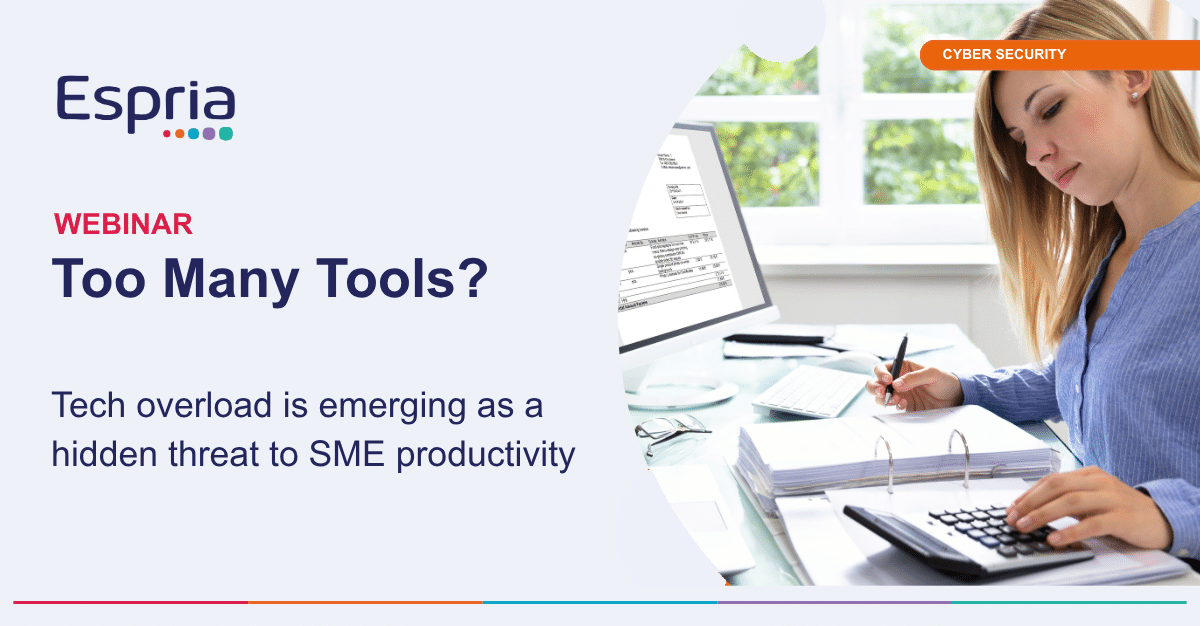
SMEs and digital transformation: From promise to platform fatigue
UK SMEs are embracing digital tools at speed, but fragmented adoption is creating inefficiencies and frustration. Discover why a strategic approach to integration is essential for sustainable growth.
Digital transformation has become a defining priority for UK small and medium-sized enterprises (SMEs). From project management platforms and communication apps to finance and HR software, the digital toolkit of the average SME has expanded rapidly. This surge in adoption reflects a desire to remain competitive, improve collaboration and unlock new growth opportunities in an increasingly digital economy.
However, the SME Digital Adoption Task Force’s final report reveals a critical challenge: while adoption is high, strategic integration is often missing. Many businesses invest in multiple tools to meet immediate needs without a cohesive plan for how these platforms will work together. The result is a fragmented ecosystem that creates friction, slows decision-making and undermines productivity.
This episode explores the concept of “platform fatigue” – the strain caused by juggling multiple systems with different interfaces, logins and workflows. Employees waste time switching between tools, duplicating work and troubleshooting compatibility issues. Information becomes siloed and the cognitive load of managing disjointed platforms leads to frustration and disengagement. Beyond the human impact, the financial cost is significant. Subscription fees for overlapping tools and underused features quietly erode budgets, making it harder for SMEs to invest in innovation.
The discussion highlights practical steps to overcome these challenges. Rather than reacting to short-term needs, SMEs should adopt a strategic approach to digital investment. This means prioritising usability, integration and alignment with existing workflows. Tools should be chosen for their ability to deliver real value, not just for their features. Training and standardised processes are essential to ensure adoption is smooth and effective.
Government and industry support also play a role, with calls for improved digital literacy programmes and resources to help SMEs make informed decisions. Ultimately, the goal is not to use more technology, but to use the right technology intelligently and intentionally. By simplifying digital environments and reducing complexity, businesses can boost efficiency, improve morale and create a foundation for sustainable growth.